

PDC Essential Info
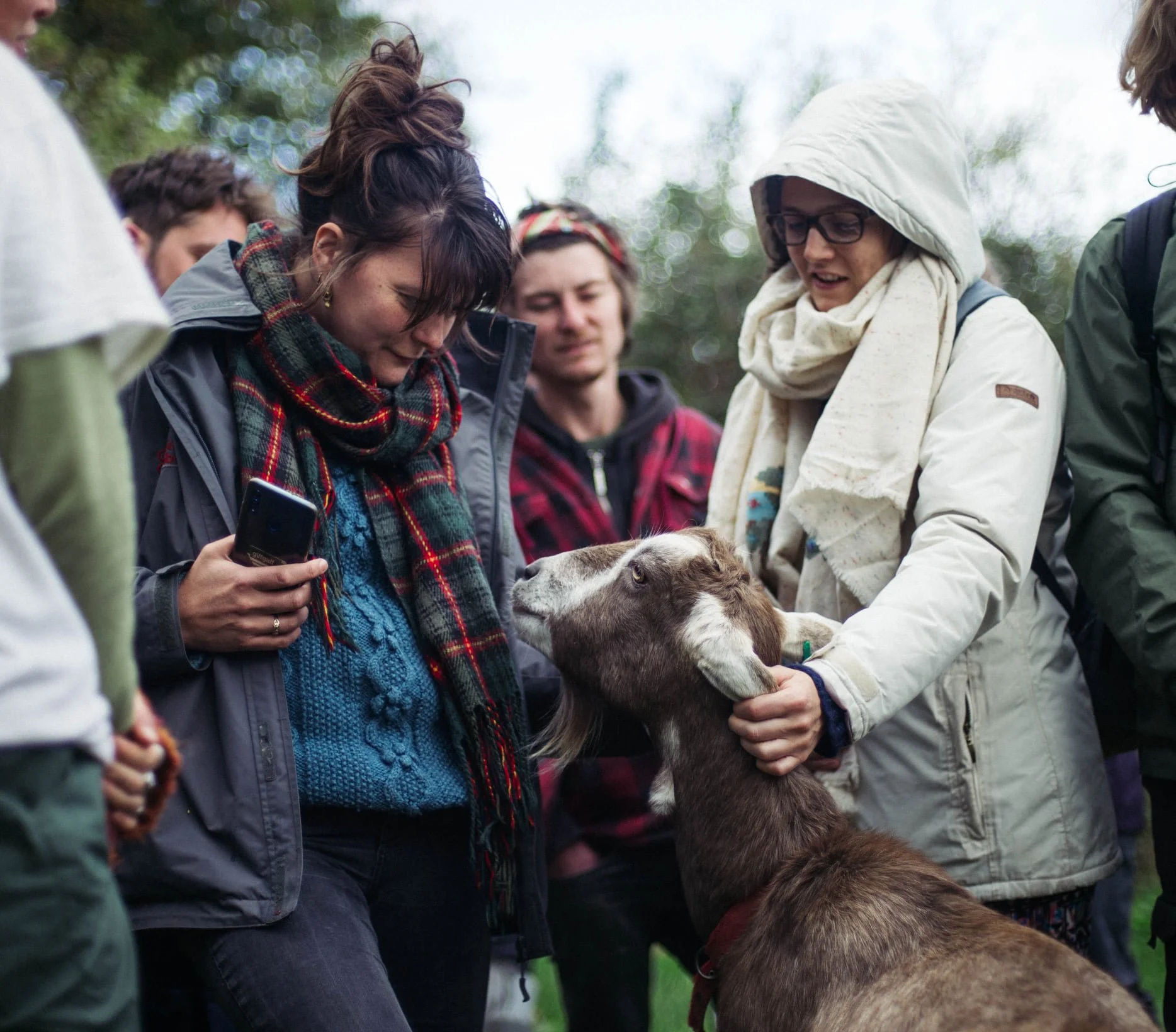
An holistic exploration of an integrated, simple and commonsense design approach to low-impact living, through the application and practice of Permaculture Design ethics and principles. Discover how we might meet our basic needs for food, shelter, connection, and fulfillment, in a way that is truly regenerative and joyful.
Where and When
Shift Bristol’s full Permaculture Design Course is designed for those with busy, demanding lives, spreading the learning over three months to make it more accessible.
Weekend workshops
The weekend workshops take place across the following weekend dates:
19th - 20th Sept
17th - 18th Oct
21st - 22nd Nov
12th Dec
Each day runs from 9.30am - 4.30pm.
Taught either at the Gasworks Studio in St Werburghs, or at Grow Wilder in Frenchay.
Weekend Field visits
27th Sept (mandatory)
2 (or more) additional field trips:
26th Sept
3 / 4 / 10 / 11 Oct
Field Trips run approximately from 10.00am - 2.00pm.
Field visits are either in Bristol, or up to an hour outside of Bristol (shared transport will be arranged between students for field trips outside of Bristol)
Mapping Skills day
24th Oct
9.30am - 3.30pm
The Haven - Community Greenspace, Eastville.
Group design project work
Flexible hours outside of course time, from end of October to early December.
Each design project takes place in a real location - to ensure students can apply Permaculture to live and dynamic challenges.
Field Visits
Mandatory
27 Sept
Permaculture Allotmenteering at Royate Hill Community Orchard -with Mike Feingold.
2 (or more) additional field trips
26 Sept
Urban Forest Gardening at Grow Wilder - with Alex Reuer
3 Oct
Middle Ground Growers, CSA Farms - with Hamish Evans
4 Oct
Group dynamics, community care, & nature connection at The Haven, with Sophia Foster
10 Oct
Bio-fertilisers and soil remediation at St Werburghs City Farm, with Matt Dunwell
11 Oct
Golden Hill Community Garden & stakeholder engagement - with Lucy Mitchell
The Permaculture Design Course
-
The course is taught through chalk & talk, audio visuals, individual reflective exercises, discussions, and design projects in small groups. You will be given a range of art and modelling materials to work with and a comprehensive course handbook with links to extra resources and handouts. We aim to teach in a non-traditional way - balancing our hearts, heads and hands.
-
We have a strong belief that 'the whole is greater than the sum of its parts' and our design project work is carried out in groups; each student bringing a unique perspective and skillset to the task. We also believe that Permaculture can be a powerful tool for empowering and meeting needs within the community. We find 'real life' green spaces in the network of Bristol for our design project sites; ensuring students learn to design within the context of complex, living systems of people and land.
-
Through visiting a variety of inspiring local projects and people, you will see 'Permaculture in action' and can begin to identify how Permaculture principles can be applied and recognised in healthy, abundant systems. You will be able to ask project leaders about what has worked well, and the challenges they may have faced. This local and 'place specific' wisdom gives students a rich understanding of the larger socio-economic system of Bristol, which in turn supports them in becoming responsive Permaculture designers.
-
Our lead Permaculture tutor, Tammi Dallaston, leads the working group on Disability, Accessibility, Inclusion and Equity (DAIE) as part of her role as a trustee with the Permaculture Association. She is neurodivergent, and disabled. She is passionate about creating safe teaching spaces to authentically support individual needs and self expression.
Through our onboarding process onto the PDC, we will be able to understand your needs, and take steps to ensure they are met to the best of our ability and capacity.
The teaching venue, toilets and kitchen are fully accessible. There is residential on-street parking outside the venue.
-
Weather appropriate clothing and sturdy footwear for field-trips. (Failure to do this will exclude you from attending the field trip).
Veggie snacks to share within the group (please label all ingredients if homemade).
A bottle of water
-
In order to obtain PDC certification from the Permaculture Association, students must complete 72hrs of study through attending;
All weekends of study (or catching up on missed sessions through homestudy if unable to attend - guidance available to support this).
A Mapping Skills day.
3 (or more) field trips to local projects demonstrating applied permaculture; for a tour and some hands-on experiences.
Contributing a minimum of 6hours to their group design project.
