

Design Projects
We believe that Permaculture can be a powerful tool for empowering and meeting needs within the community.
Therefore we seek 'real life' green spaces in the network of Bristol for our design project sites; ensuring students learn to design within the context of real and complex living systems of people and land.
We have a strong belief that 'the whole is greater than the sum of its parts' and our design project work is carried out in groups; each student bringing a unique perspective and skill-set to the task.
Follow the links below and put your site or project forward for a Shift Permaculture Design !
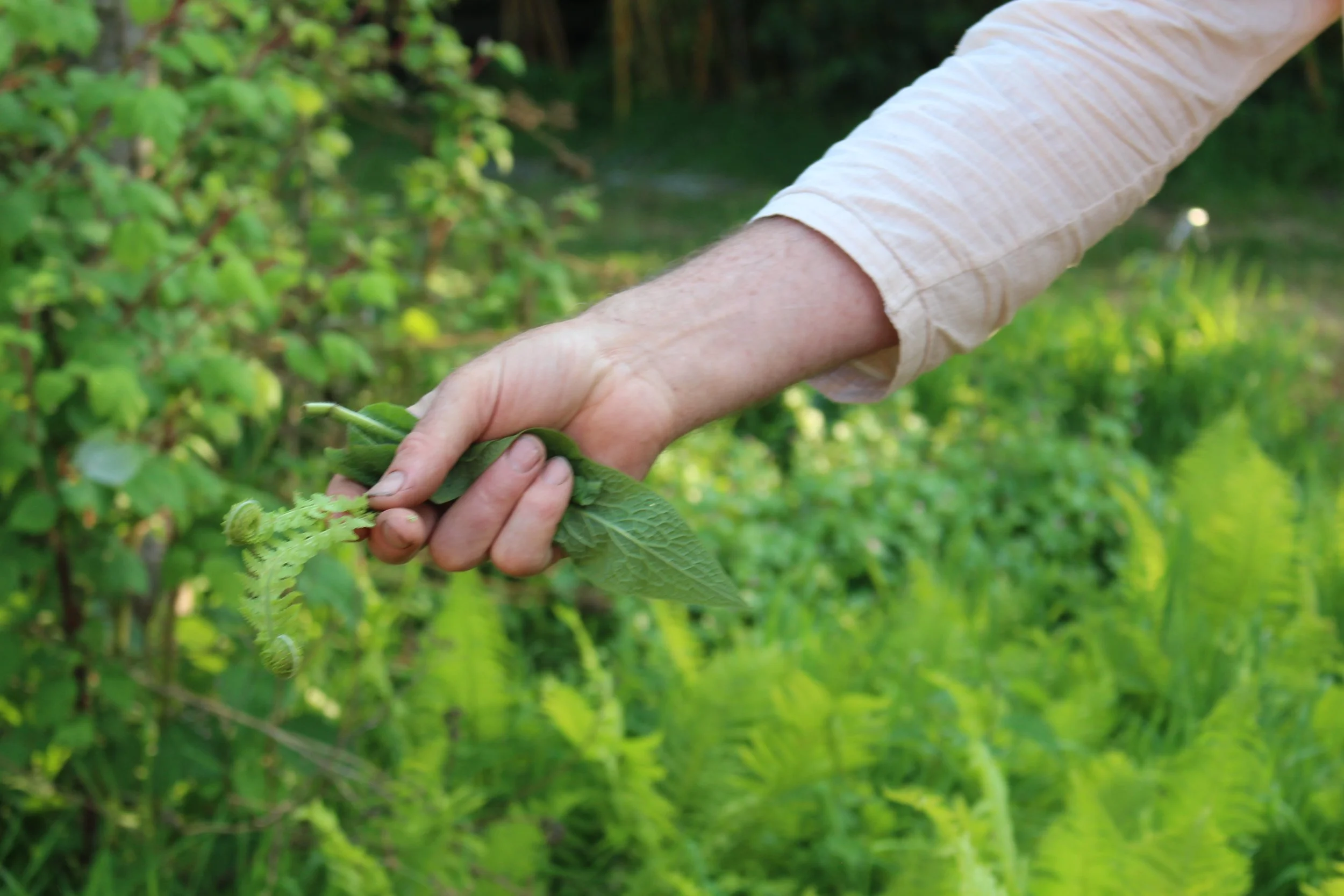
PSC : Growth and Abundance
PSC : Consultancy
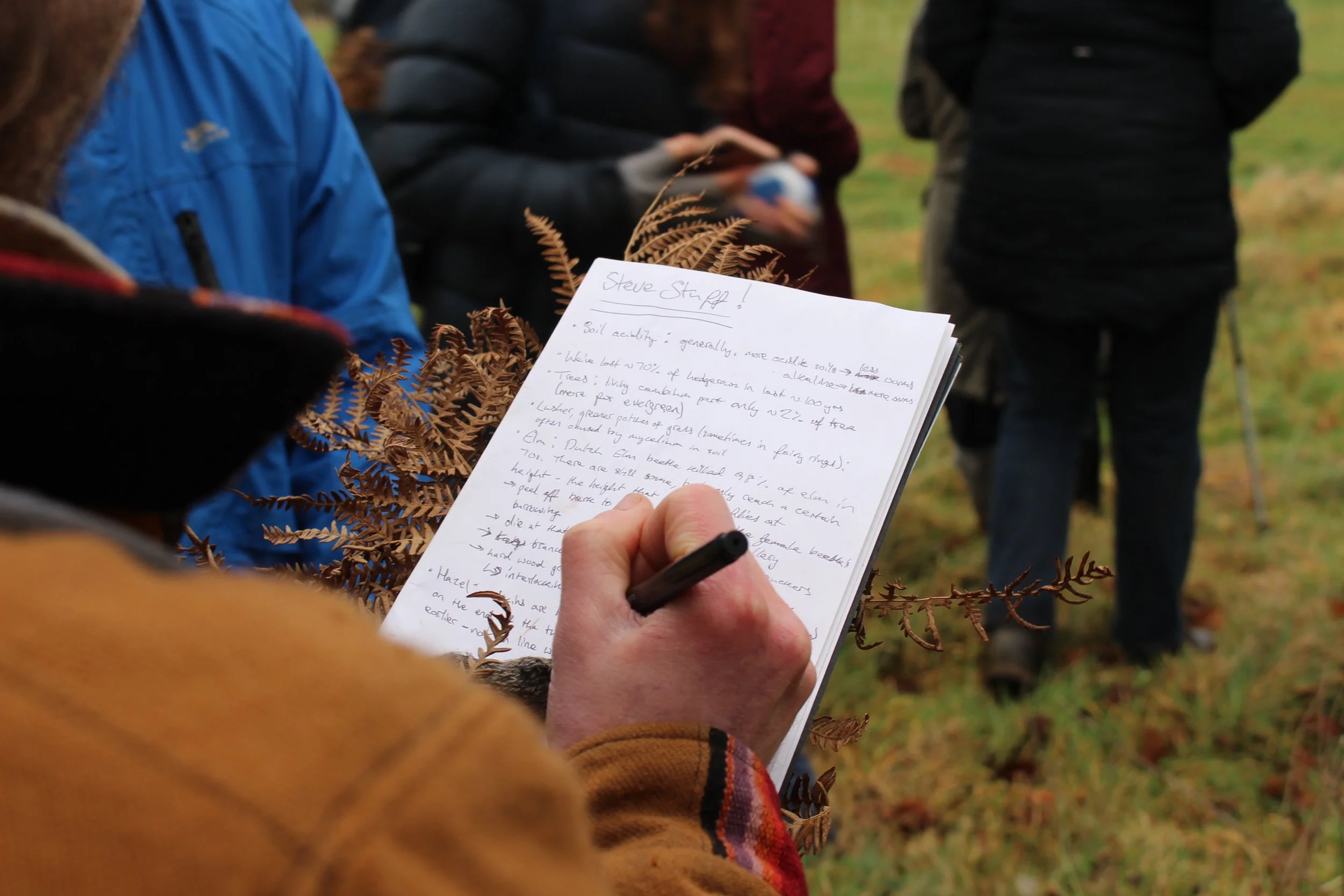
PDC : Permaculture
Growth and Abundance
Apply here : Deadline April 10th 2027
We are thrilled to offer an exciting opportunity for land-based projects looking to enhance the productivity and vitality of their land!
Shift Bristol is seeking land-based sites to host our Growth & Abundance design projects, which will take place from 22nd April to 4th May 2027, as part of our Practical Sustainability Course.
Project Overview:
We look forward to hearing from you and exploring how we can work together to make your land even more abundant!
Important Note:
Previous stakeholders who have volunteered their sites and time have reported that the experience was insightful and beneficial. However, it’s important to note that while these design projects are valuable learning opportunities for students, we cannot guarantee the specific outcomes of their designs. Each project will be reviewed by permaculture and regenerative agriculture tutor Matt Dunwell and organic horticulture tutor Luke and his feedback will also be shared with you.
The goal of this project is for students to observe and assess the current growing activity on your site and develop an action plan/design to suggest improvements aligned with the objectives of your project. These may include methods for:
Enhancing soil health, fertility, and structure.
Exploring alternative growing methods to reduce human interaction and the need for external materials or resources.
Implementing techniques that protect soil health and maximise growing areas.
Identifying ways to boost productivity and income by utilising resources freely or cheaply available from the land.
Offering suggestions for improved communication between collaborators (sometimes helping people work more efficiently and joyously together, is a key to a more productive land-site).
Following the workdays on 22nd, 27th & 28th April, the students will present their observations and recommendations to you, either in person during the presentation day on 4th May, or through a follow-up email / meeting.
Your Questions, Answered
-
We are looking for sites that meet the following criteria:
Land Size: Ideally a large allotment or smallholding, with a maximum size of 5 acres.
Current Use: Some or most of the land should be actively used for cultivation (e.g., herbs, vegetables, fruits, flowers, etc.).
Need for Improvement: The site should have areas in need of improvement in productivity (e.g., you wish to grow more of the same or introduce greater diversity).
Community Focus (optional): If your land also serves a community benefit, this will be considered a bonus.
-
Access: A group of up to five students will need access to your site on 22nd April (and possibly the 27th & 28th also), between 9:30 AM and 3:30 PM.
Soil Samples: Students will need to dig holes and take soil samples from various locations (depending on the size/variation of the land) to assess soil texture and health. They will fill in any holes dug to the best of their ability.
Stakeholder Interview: You will need to meet with our students for an interview on 22nd April to discuss yourself and your project – the aims, limiting factors and challenges, resources, and everything in between.
Work Space: A covered or sheltered area for students to collaborate and work comfortably; either on-site or within a short walking distance.
Toilet Access: Access to a toilet; either on-site or within a short walking distance.
-
Selection Process: We offer a variety of sites for students to choose from. In some cases, there may be more sites than student groups, so we cannot guarantee that your site will be selected.
Community Focus: Sites with a community benefit are prioritised over those solely focused on private use.
Selection Notification: We will inform you of whether your site has been chosen by 14th April 2027.

Consultancy Design Project
Apply here : Deadline May 24th 2027
Shift Bristol is excited to announce an opportunity as part of our Practical Sustainability Course, for any land-based projects seeking a comprehensive Consultancy Permaculture Design.
Project Overview:
We look forward to hearing from you and hope to collaborate with you in creating more regenerative, community-focused projects!
Important Note:
Previous stakeholders who have volunteered their sites and time have reported that the experience was insightful and beneficial. However, it’s important to note that while these design projects are valuable learning opportunities for students, we cannot guarantee the specific outcomes of their designs. Each project will be reviewed by permaculture and regenerative agriculture tutor Matt Dunwell, and his feedback will also be shared with you.
We aim to offer a holistic design for your project - looking at the people and land based elements within your system - building on your strengths, and making suggestions for overcoming any challenges - based on regenerative and sustainable principles observable in nature.
Soil health and fertility: Improving soil structure and growing mediums.
Alternative growing methods: Reducing the need for human intervention and outside resources.
Sustainable techniques: Protecting soil health and maximising growing areas.
Productivity and income generation: Identifying ways to increase output and generate income using local and freely available resources.
Resource efficiency: Improving energy use and building sustainability on-site.
Volunteer engagement: Increasing participation and its benefits for the project.
Community outreach: Creative methods to communicate your project’s aims to the wider community, boosting visibility and connection.
Group dynamics: Enhancing governance and decision-making processes within the project team.
At the end of the consultancy project, students will present their observations and proposed solutions either in person on 18th June or via a follow-up email/meeting.
Your Questions, Answered
-
We are looking for sites that meet the following criteria:
Land Size: 5 to 20 acres; ideally with a variety of components/landscapes & enterprises (not monocultures, unless you are interested in the idea of diversifying as part of your projects strategy.
Project Size: Smaller land-based sites can be considered, if there is a larger 'social ecosystem', e.g. multiple stakeholders, need for collective governance and decision making.
Current Use: Some or most of the land should be actively used for cultivation (e.g., herbs, vegetables, fruits, flowers, etc.).
Project status: The site should present opportunities for several areas of improvement. We welcome sites that are in development, facing challenges, or experiencing a transitional period. We need sites where students are able to apply their skills and knowledge to the overview of a whole site - so that they can really flex their designing muscles.
Community focus: The project should either meet a local need or benefit the surrounding community. Ideally, it should involve land cultivation and community engagement. This may include inviting others to share the space or planning to do so in the future.
-
What We Need from You:
Access dates: A group of up to five students will need access to your site on the following dates: 8, 9, 15, 16, 17, 22 June 2027, between 9:30 AM and 3:30 PM. Not all dates may be required but it's important students can have access on the first few dates; scheduling will be arranged between you and the students.
Soil Samples: Students will need to dig holes and take soil samples from various locations (depending on the size/variation of the land) to assess soil texture and health. They will fill in any holes dug to the best of their ability.
Stakeholder interview: You (and possibly other stakeholders) will need to meet with our students for an interview near the beginning of the project, to discuss yourself and your project – the aims, limiting factors and challenges, resources, and everything in between.
Work Space: A covered or sheltered area for students to collaborate and work comfortably; either on-site or within a short walking distance.
Toilet Access: Access to a toilet; either on-site or within a short walking distance.
Location: Ideally in or near to Bristol. Students will consider travelling
-
Selection Process: We offer a variety of sites for students to choose from. In some cases, there may be more sites than student groups, so we cannot guarantee that your site will be selected.
Selection Notification: We will inform you of whether your site has been chosen by 28th May.

Do you have a site that could benefit from a fresh perspective using Permaculture Design Principles?
Would you like support in:
Improving soil health and fertility?
Bringing more nature and ecology into your space?
Increasing efficiency of movement, energy and resources?
Boosting engagement, inclusivity, and productivity in your project?
If yes, this could be a great opportunity for you!
PDC DESIGN PROJECTS
Apply here : Deadline Oct 4th 2026
Project Overview:
We look forward to receiving your application and hope to collaborate in creating more regenerative, resilient, and community-focused projects.
What Past Hosts Have Said
Previous site providers found the process insightful, creative, and inspiring. They valued the fresh perspectives students brought and the chance to reflect on their own projects in new ways.
It’s important to note that these design projects are learning exercises for students to practice applying their knowledge. While many hosts have gained useful ideas and inspiration, we cannot guarantee specific outcomes or professional consultancy-level results.
Student design teams (up to 6 members) will create a holistic site design for you. They’ll explore both the land and the people involved, building on your strengths and offering suggestions to overcome challenges; rooted in regenerative, sustainable principles observed in nature.
Areas students may focus on:
Soil health & fertility
Alternative growing methods
Sustainable techniques & land use
Productivity & income generation
Resource efficiency & energy use
Volunteer & community engagement
Governance & group dynamics
Timeline:
Oct/Nov: Students work on designs (including site visits & interviews)
Dec 12th (Gasworks Studio, St Werburghs): Final presentations to tutor Tammi Dallaston, Shift Bristol co-founder Laura Corfield, and site stakeholders. Slots TBC.
Your Questions, Answered
-
We are seeking sites where students can apply their design skills to the whole system, with some level of complexity or challenge.
Land size: Larger than a private garden, ideally under 5 acres. Bigger sites may be included but with a narrowed focus.
Project size: Smaller sites are welcome if there is a rich social ecosystem (e.g. multiple stakeholders).
Type of project: Should serve a local need or benefit the community, such as community greens, CSAs, educational projects, regenerative businesses, or community buildings.
Status: Ideally in development, facing challenges, or in transition, with clear opportunities for improvement.
-
What We’ll Need From You
Availability in Oct/Nov: Students will need access for site visits and meetings. TBC between site stakeholders and design group.
Soil samples: Students may dig small test pits (and refill them afterwards).
Stakeholder interview: Early in the process, to discuss aims, challenges, and resources.
Work space: A sheltered area for collaboration, on-site or nearby.
Toilet access: On-site or close by.
Location: Preferably Bristol area, though further afield may be possible if hosting support is available.
-
Key Dates
Applications close: October 4th
Selection confirmed: By October 10th
Student work period: November
Final presentations: December 12th